Neuropeptides & other compounds
Regulatory peptides studied in neurological, immunological and ageing research. Every batch carries an independent HPLC purity and LC-MS identity certificate.
About this class
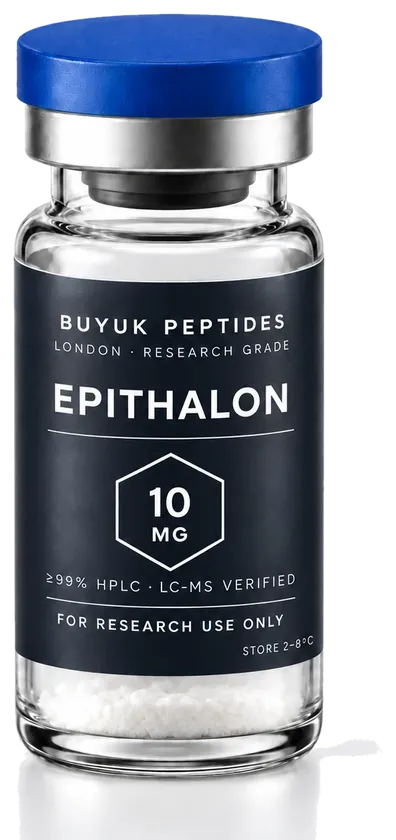
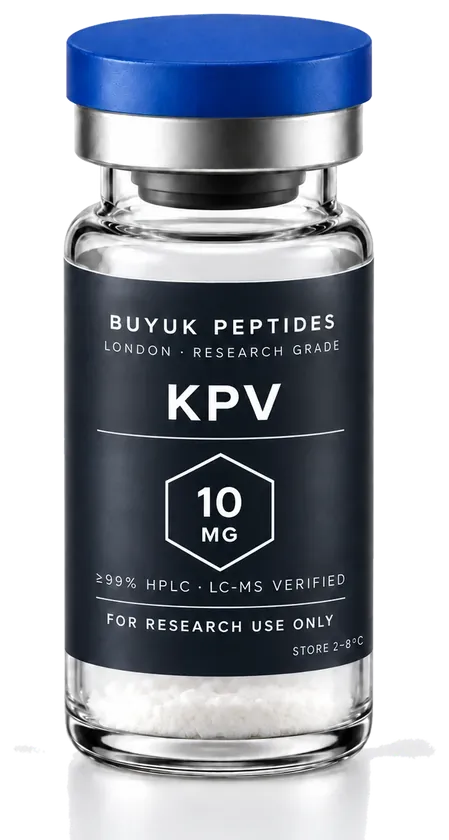
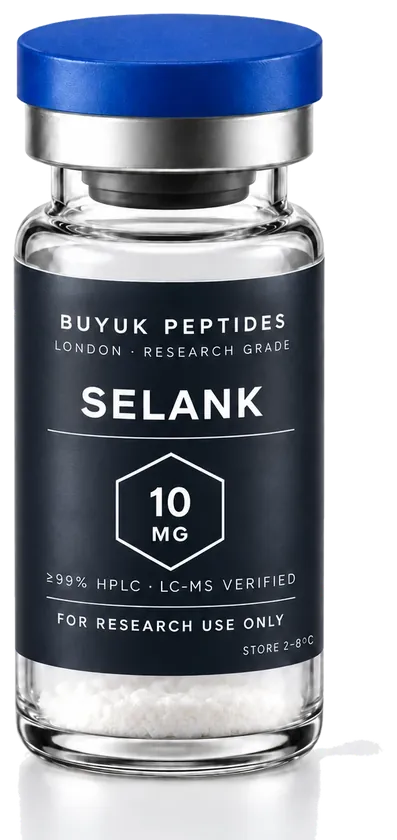
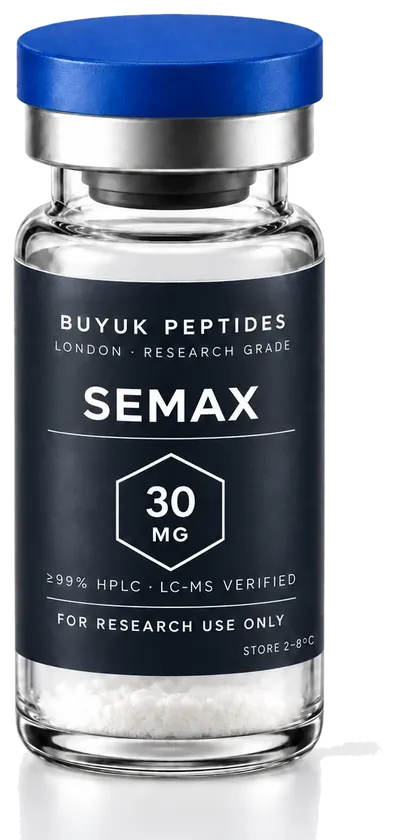
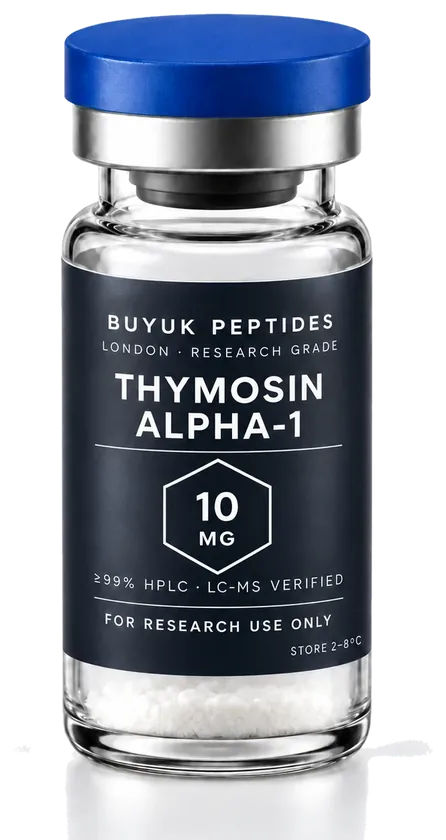
These are short regulatory peptides that do not belong to one receptor family. Semax and Selank are heptapeptides developed in Russia on the same design principle, a natural fragment with a stabilising Pro-Gly-Pro tail; they are compared in Semax vs Selank. KPV is the C-terminal tripeptide of α-MSH, studied for anti-inflammatory activity. Epithalon is a synthetic tetrapeptide from ageing research, and thymosin alpha-1 is a 28-residue immunomodulatory peptide licensed in some countries as thymalfasin.
All are supplied as lyophilised research chemicals for in-vitro laboratory use only.
Questions
Where does most of the literature on Semax and Selank come from?
Russian research institutes, where both were developed and are registered as medicines. The animal literature is substantial; the clinical trials have not been assessed by UK, EU or US regulators. The monographs and the comparison guide say so plainly.
Is thymosin alpha-1 related to TB-500?
No. Both names come from thymus preparations, but thymosin alpha-1 and thymosin beta-4 (the parent of TB-500) are unrelated peptides with different sequences and biology.